
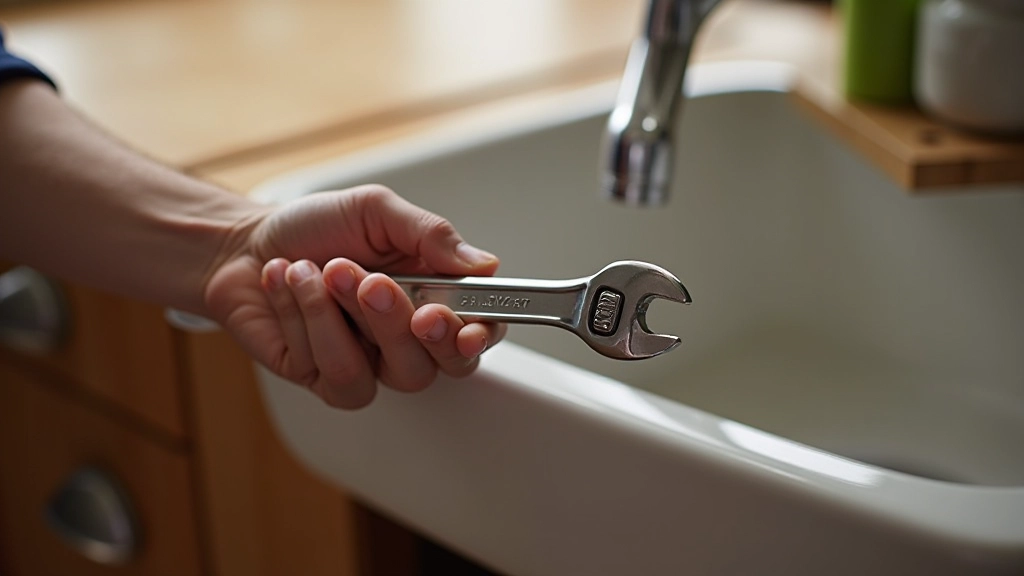
Basic Plumbing Fixes: Washers and Blocked Drains
How to replace tap washers and clear common drain blockages without calling a plumber. Two fixes that save money and frustration.
Read GuideLearn practical DIY maintenance skills — from plumbing fixes to electrical safety, wall preparation to tile repair. Build confidence tackling common household tasks.
4 essential guides to get you started
Step-by-step instructions for the repairs you'll actually need
How to replace tap washers and clear common drain blockages without calling a plumber. Two fixes that save money and frustration.
Read Guide
Complete safety procedures for changing light switches and updating socket covers. Includes proper isolation methods and what to watch for.
Read Guide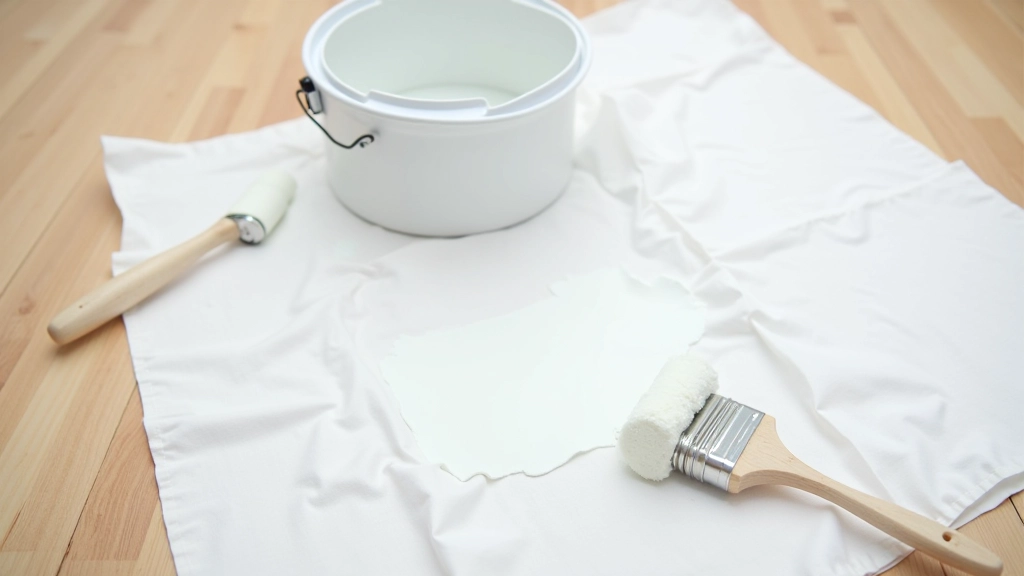
Filling cracks properly and preparing surfaces for paint. Most people skip prep work — don't. This makes the difference between amateur and professional results.
Read Guide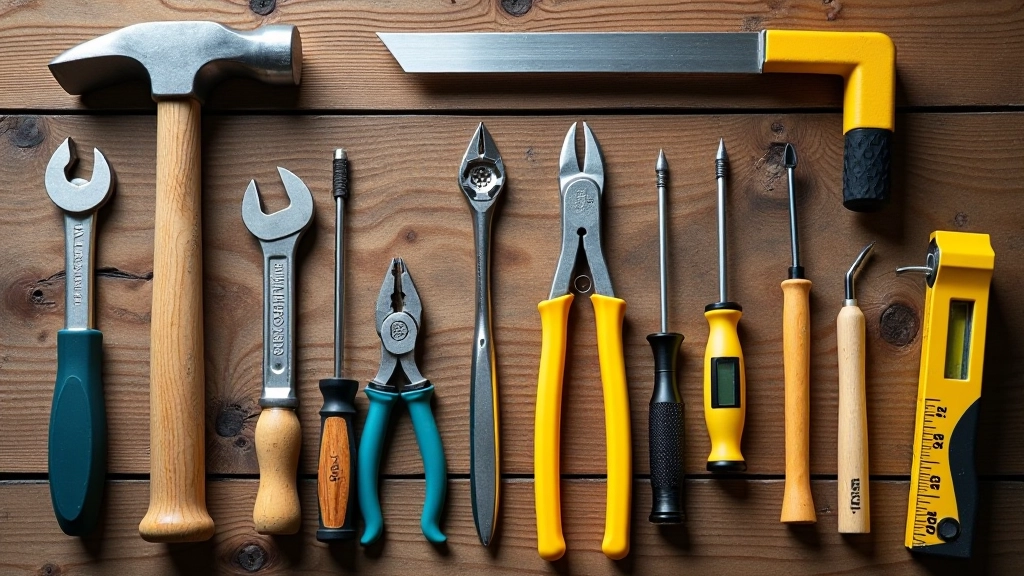
A practical toolkit for Irish homes. We've listed the essentials that'll handle 90% of repairs, plus what to avoid wasting money on.
Read GuideA simple approach to tackling your first project with confidence
Look at what needs fixing. Is it a leak, a broken switch, a crack in the wall, or damaged grout? Identify the actual issue before you start — saves time and money.
Check our toolkit guide. Most repairs need just a few basic tools — hammer, screwdrivers, adjustable wrench, pliers. Get the right materials for the job too.
For electrical work, turn off power at the breaker. For plumbing, shut off water. Always wear appropriate protection. Take your time — rushing causes mistakes.
Follow the step-by-step guides for your specific repair. Don't rush. Most fixes take longer than you think — that's normal. Document what you're doing in case you need to troubleshoot.
Answers to what most people wonder before starting
Good question. For basic plumbing like replacing washers or clearing drains, you're fine. For electrical work beyond socket covers and switches, call someone. Structural cracks, boiler issues, gas safety — always professional. When in doubt, ring a tradesperson. It's safer and cheaper than fixing a DIY disaster.
Start with the essentials: hammer, screwdriver set, adjustable wrench, pliers, spirit level, and tape measure. You can get a decent starter set for under €50. Don't buy specialist tools until you know you'll use them. Our toolkit guide shows what's genuinely useful for Irish homes.
Most repairs are reversible if you go slowly. That's why we emphasize preparation and following steps carefully. If something goes wrong — you drill through a pipe, overtighten something — stop and assess. Many problems are fixable. Taking photos before you start helps you remember how it looked. Most people are more capable than they think.
Yes. Knowing how to fix a leaky tap, clear a drain, or patch a wall saves hundreds over time. You're not waiting for a tradesperson's schedule. You're understanding your own home. Plus there's genuine satisfaction in fixing something yourself. Start small — most people surprise themselves with what they can do.