Building Your Home Toolkit: What You Actually Need
A practical toolkit for Irish homes. We've listed the essentials that'll handle 90% of repairs, plus what to avoid wasting money on.

Don't Buy Everything at Once
You don't need a garage full of tools to handle most household jobs. Honestly, the majority of repairs around an Irish home require just a handful of basics that you'll use repeatedly. The trick is knowing which ones matter and which ones you can skip.
We've spent years helping homeowners figure this out. It's not about having professional-grade equipment — it's about having the RIGHT tools that actually work when you need them. This guide covers what goes in your starter toolkit, what you might add later, and what's genuinely a waste of money.
The 90% Rule
Nine out of ten common household repairs can be handled with fewer than 12 essential tools. You'll use them repeatedly, and they'll last for years if you choose decent quality.
Your Core Toolkit: The 12 Essentials
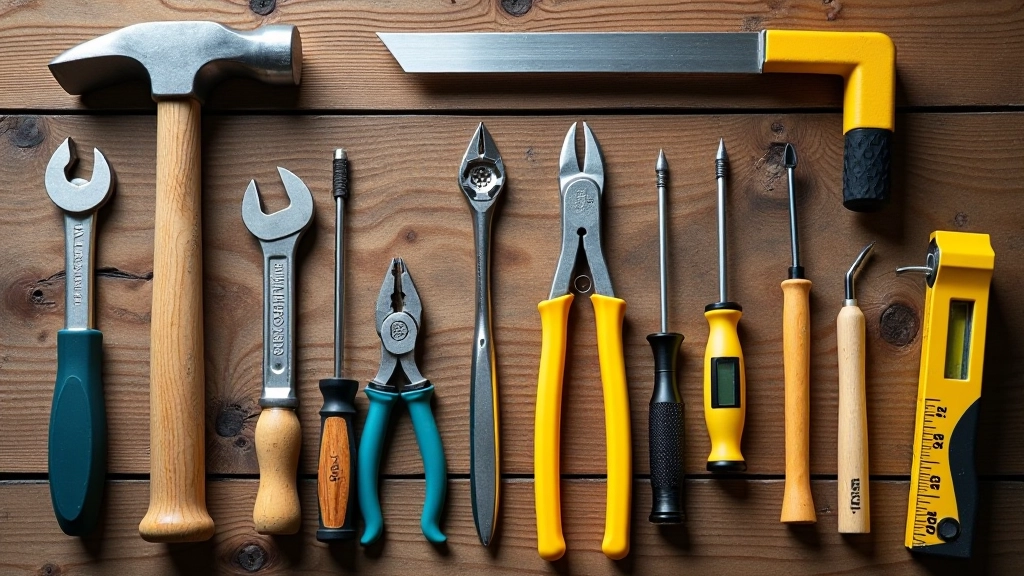
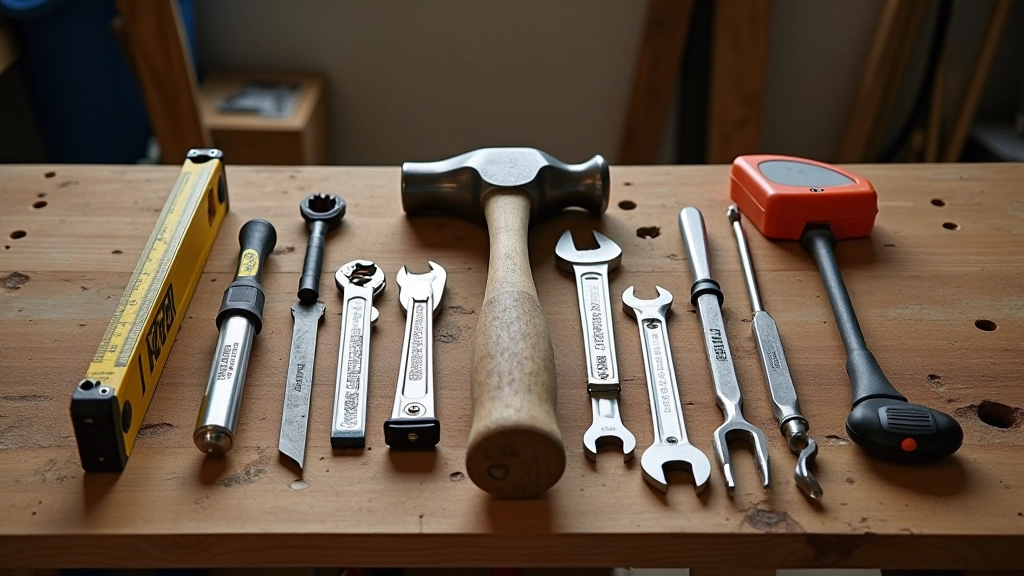
Start here. These tools cover the basics you'll actually reach for:
- Hammer (16-20oz) — Use it for hanging pictures, small nails, basic demolition. A medium-weight hammer works best for most jobs.
- Screwdrivers (Phillips and flathead) — Get a set with multiple sizes. You'll use these constantly for electrical outlets, hinges, and cabinet work.
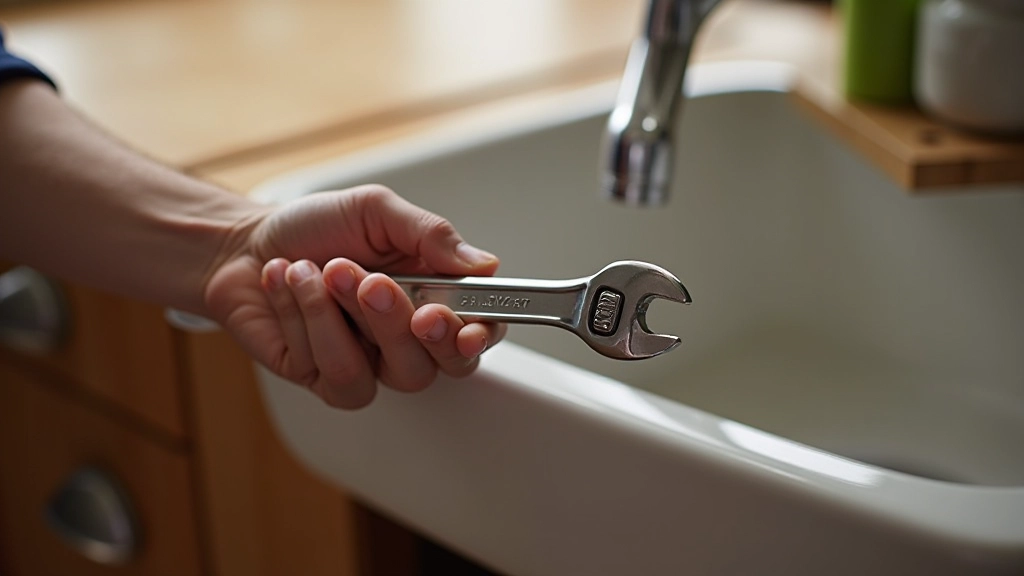
- Adjustable wrench — Handles most nut and bolt sizes. One good wrench beats buying a whole set.
- Pliers (standard and needle-nose) — For bending wire, gripping, and pulling. Needle-nose gets into tight spots.
- Tape measure (5m or longer) — Essential for everything from hanging shelves to checking wall dimensions.
- Spirit level — Won't hang anything straight without one. Get a 60cm model for most household jobs.
- Claw hammer with rubber grip — Better than you'd think for precision work and removing nails without damaging plaster.
- Utility knife — For cutting drywall, opening boxes, trimming materials. Keep spare blades on hand.
- Flashlight (LED preferred) — Cupboards and tight spaces are dark. A small LED torch lasts forever on batteries.
- Drill-driver (cordless) — This is your first power tool investment. It's genuinely worth the cost and saves hours.
- Stud finder — Before you drill into walls, find the studs. Saves plaster damage and failed installations.
- Bucket and sponge — For cleanup, mixing compounds, and general tasks. Often overlooked but absolutely essential.
That's it. These twelve items will handle basic plumbing repairs, electrical work (safely), wall preparation, picture hanging, and general maintenance. You're not paying for professional-grade tools — just decent quality that won't fail mid-job.

Add These When You're Ready
Once you've gotten comfortable with basic repairs, these tools expand what you can tackle:
- Circular saw or jigsaw — For cutting materials. Start with a jigsaw if you're nervous — it's more forgiving.
- Sander (orbital or detail) — Makes surface prep for painting actually bearable. Saves hours of hand sanding.
- Socket set — Fills gaps left by your adjustable wrench for specific jobs.
- Clamps — Hold things steady while you work. Two C-clamps and two bar clamps cover most situations.
- Chalk line — Marks straight lines on walls or floors for tiling, painting, or layout work.
- Drywall saw — For cutting holes in plasterboard. Cheaper than renting equipment.
Don't buy these all at once. Pick them up as you encounter jobs that need them. You'll know when you're ready because you'll find yourself borrowing them from a neighbour.
Skip These (You Won't Use Them)
Shops are brilliant at selling you things you don't need. Here's what to actually avoid:
- Complete tool sets — Shops sell these in massive cases with 50+ tools you'll never touch. Buy what you need instead.
- Cheap power tools — A budget drill might work once. Invest in one decent cordless drill instead of three bad ones.
- Specialist tools for one job — Before buying something for a single task, ask if you can rent it or borrow it.
- Over-sized everything — A huge toolbox is just something to drag around. Start small and expand gradually.
- Novelty tools — Those 3-in-1 gadgets look clever but usually do nothing well. Stick with basics.
Real talk: A good hammer and a decent drill will genuinely handle more jobs than you'd expect. Don't overthink it. Start minimal, add as you go.
Store Them Properly
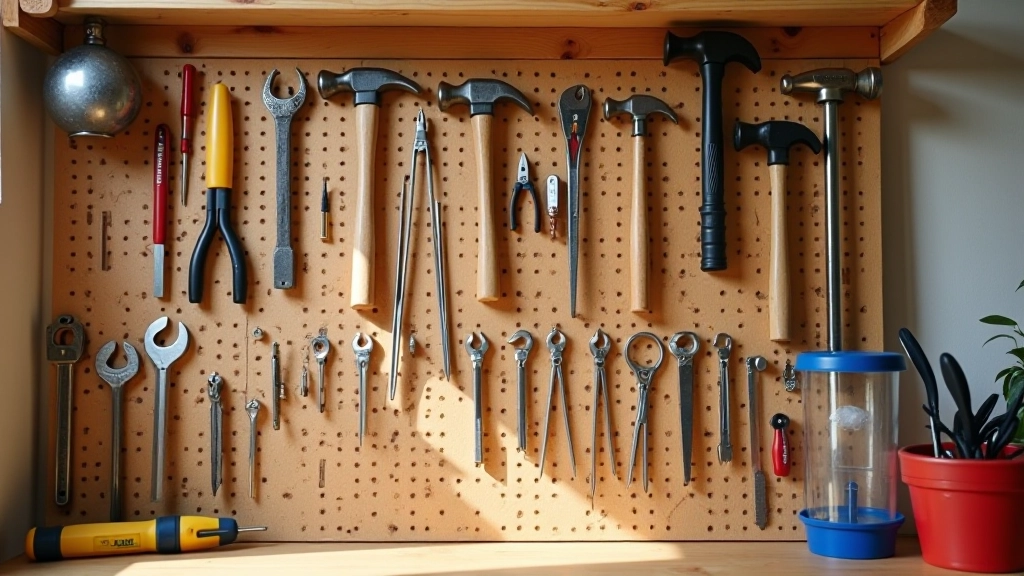
Where you keep your tools matters more than people realize. Damp conditions (common in Irish homes) cause rust quickly. Store your toolkit in a dry place — under the stairs, a cupboard, or a corner of a bedroom works better than a cold garage or shed.
A toolbox is fine, but consider a pegboard in a spare cupboard. You'll actually use your tools if you can see them and grab them without digging. Keep power tools in their original cases or wrapped to protect them. Wipe down metal tools occasionally if you're storing them long-term.
And here's a tip: label your storage. Sounds basic, but knowing exactly where your 8mm socket is saves frustration when you're mid-repair.
⚠️ Important Information
This guide is informational and educational only. Always follow manufacturer instructions for tools and materials. For electrical work, water systems, or structural repairs, consult qualified professionals. Safety should always come first — when in doubt, ask an expert. Different homes have different requirements, so adapt this guidance to your specific situation.
Start Small, Build Gradually
You don't need to spend a fortune or own every tool in existence. Start with those 12 essentials, keep them in good condition, and add more as you encounter jobs that need them. Most Irish homeowners find they're comfortable handling the majority of common repairs with a modest collection of quality basics.
The real investment isn't in tools — it's in learning how to use them safely and effectively. That's where the value comes from. Tools are just the means to do the job properly.
Related Articles