Basic Plumbing Fixes: Washers and Blocked Drains
How to replace tap washers and clear common drain blockages without calling a plumber. Two fixes that save money and frustration.

Why These Two Fixes Matter
A dripping tap isn't just annoying—it'll waste nearly 9,000 litres of water annually. A blocked drain traps water and creates a real hygiene issue. The good news? You don't need a plumber for either problem.
We're talking about two of the most common plumbing issues in Irish homes. You'll learn exactly what's happening, what tools you actually need, and how to fix it in an afternoon. No special skills required. Just straightforward steps that work.
Replacing Tap Washers: The Most Common Fix
That drip you're hearing? It's almost always a worn washer. The washer sits at the base of the tap valve and creates a seal when you turn the tap off. After a few years of use, it hardens and stops sealing properly. Water sneaks past it, and you get that constant drip.
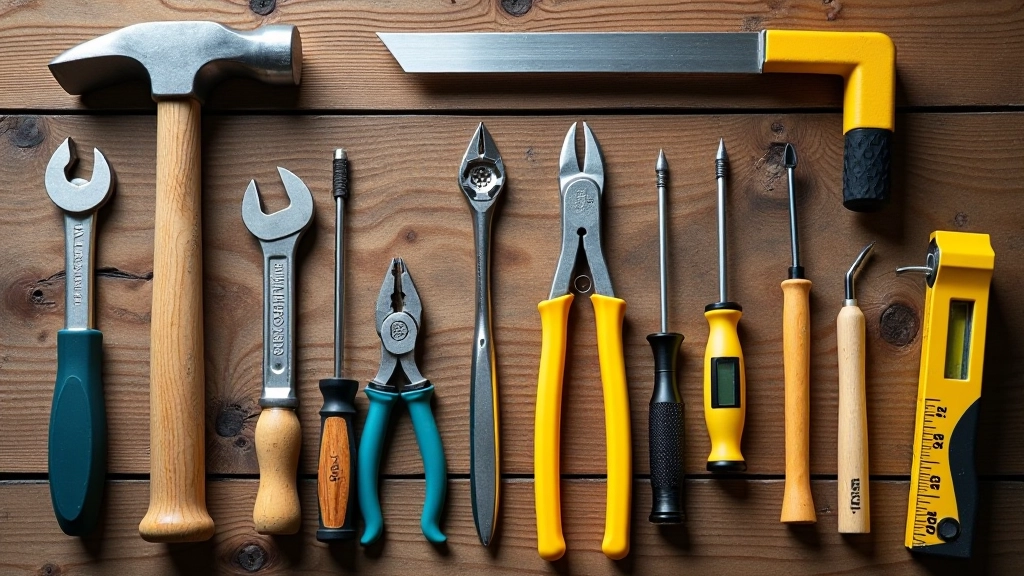
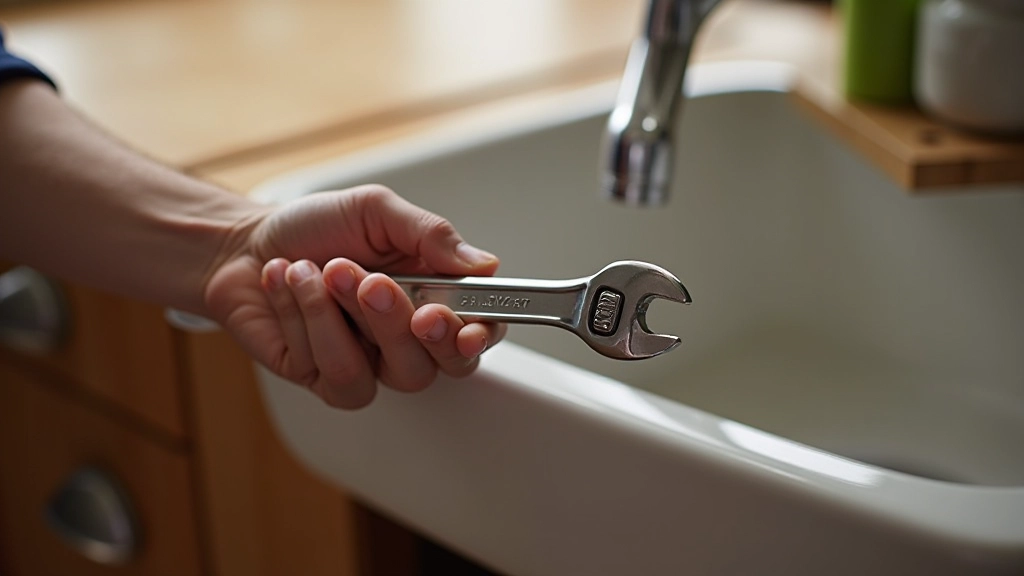
Here's what you'll need: an adjustable wrench (sometimes called a spanner), a screwdriver, a new washer kit (costs about €3-5), and maybe some plumber's tape. You don't need anything fancy. Most of these tools are already in a basic toolbox.
1
Turn off the water supply at the mains. It's usually under the kitchen sink or in the cupboard below the stairs. Turn the valve clockwise until it stops.
2
Place a bucket under the tap. Open it to release any remaining water pressure. It's not pleasant when water sprays everywhere.
3
Unscrew the packing nut (the large nut just below the tap handle) using your wrench. You'll be turning it counterclockwise. It might be tight—don't panic. Apply steady pressure.
4
Pull out the valve stem. You'll see a small screw at the bottom holding the washer. Remove that screw and swap out the old washer for a new one. Most tap washers are about 12mm in diameter.
5
Reassemble everything in reverse. Screw the packing nut back on, then turn the water supply back on. Test the tap. If it still drips, you might need to replace the valve seat itself, but that's a rarer issue.
Important: This guide is informational and educational. If you're unsure about water supply isolation or encounter significant water pressure issues, consult a qualified plumber. Circumstances vary by property age and plumbing configuration. Always turn off water at the mains before any tap work.
Clearing Blocked Drains: The Practical Approach
Blocked drains are usually caused by hair, soap buildup, or debris collecting inside the pipe. The water backs up, drains slowly, and you're stuck with a stagnant smell. It's unpleasant but fixable without calling a drain specialist.
Most blockages sit within the first metre of pipe below the drain opening. That's the bit you can actually reach. You won't need heavy equipment—a plunger and a drain auger (a long flexible snake tool) will handle 90% of kitchen and bathroom blockages.
Method One: The Plunger
Fill the sink with enough water to cover the plunger cup. Place the plunger directly over the drain opening and push down firmly and quickly, about 15-20 times. You're creating suction and pressure to dislodge the blockage. It works surprisingly well for hair-related clogs. If water starts draining, you've won. Keep plunging a few more times to make sure you've cleared the lot.
Method Two: The Drain Auger
If the plunger doesn't work, get a drain auger. Feed it down the drain slowly, twisting as you go. When you hit the blockage, you'll feel resistance. Keep twisting and pushing gently—you're either breaking up the clog or catching hair so you can pull it out. Most augers are 3-4 metres long, which is plenty for household drains.
Prevention: The Easier Route
You can prevent most blockages and extend tap life significantly. Here's what actually works:
- Install a simple strainer in your sink drain. It catches hair before it enters the pipe. Costs about €2 and saves hours of frustration.
- Don't pour grease down the drain. Let it cool and bin it. Grease solidifies in cold pipes and causes blockages that are harder to clear.
- Run hot water down the drain weekly, especially in winter. It helps shift soap buildup before it accumulates.
- Clean tap aerators (the mesh bit at the end) every six months. Mineral deposits can reduce water flow and cause pressure issues.
- Consider a water softener if you live in a hard water area. Less limescale means taps last longer and washers seal better.
You've Got This
Both of these fixes take about an hour once you've got the parts. That's quicker than waiting for a plumber's appointment and costs a fraction of the call-out fee. You're not doing anything complicated—you're just following a straightforward sequence and being methodical about it.
Start with the washer replacement if you've got a dripping tap. It's the most satisfying fix because the result is immediate. Then tackle the drain if you need to. Once you've done either one, you'll have the confidence to handle other basic plumbing tasks around your home.
Keep your tools accessible and your water mains location known. That's half the battle with home maintenance—knowing where everything is and having what you need on hand. Everything else flows from there.